Miyakojima is a small coral island hundreds of kilometres south of Okinawa's main island, and the first question most people ask is whether you can even fly there directly from Tokyo. You can — on more than one airline, into more than one airport — but nobody tells you that up front, and the two airports are easy to mix up when you're booking. Here's how the route actually works: which airlines fly where, how the two airports differ, and when to buy so you're not paying the walk-up rate.

Wait, Miyakojima has two airports? I thought it was one tiny island.

It is one island, but two airports — and which one your flight lands at changes your whole first hour there. We flew this route more times than we can count over three years of going back and forth between Miyako and home near Tokyo, and we always ended up booking into the same one. I'll explain why.
Miyako Airport or Shimojishima Airport?
Miyakojima is actually served by two separate airports, and they sit on different parts of the island group. Mixing them up is the single most common booking mistake, so check this before you pick a flight.
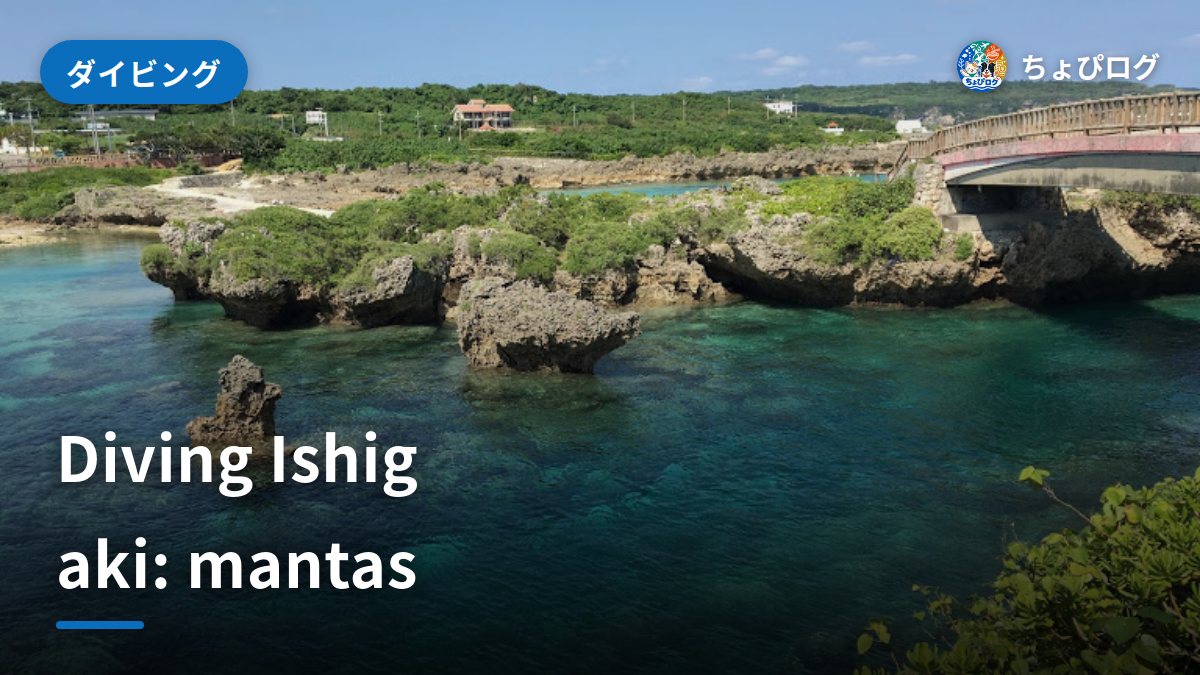
Miyako Airport sits right in the middle of the island, about 15 minutes by car from the town centre, Hirara. It's the older, busier airport, with two floors of souvenir shops, a few restaurants and an observation deck. Shimojishima Airport is newer, sits across the Irabu Bridge on neighbouring Shimoji Island, and takes about 25 minutes to reach Hirara. It has a smaller, more boutique feel — think a single stylish café rather than a souvenir arcade — and unlike Miyako Airport, parking is free.
| Miyako Airport (MMY) | Shimojishima Airport (SHI) | |
|---|---|---|
| Distance to Hirara (town) | approx. 15 min by car | approx. 25 min by car |
| From Tokyo | JAL (JTA) and ANA, direct from Haneda | Skymark direct from Haneda; Jetstar direct from Narita |
| Facilities | Two floors of shops and restaurants, observation deck | Smaller terminal, café, free parking |
| Good for | Fastest check-in to a hotel in town | Low-cost carriers (Jetstar), or a quieter arrival |
Source: Miyako Airport and Shimojishima Airport comparison, Miyako Tour official guide; airline network from JAL, ANA and Skymark public timetables (as of September 2026).
We always booked into Miyako Airport over the years we lived there. It's the airport you want if you're renting a car and heading straight to a hotel near town — rental counters and most accommodation cluster around Hirara, and 15 minutes beats 25 every time you're jet-lagged and hauling dive gear.
Flying from Haneda: JAL, ANA and Skymark
If you're starting in Tokyo, Haneda (HND) is your airport, and you have three airline options:
- JAL (operated as JTA, Japan Transocean Air) flies direct from Haneda to Miyako Airport. Scheduled flight time runs roughly 2 hours 45 minutes to 3 hours 20 minutes depending on the season and aircraft.
- ANA also flies direct from Haneda to Miyako Airport, in a similar flight-time range.
- Skymark flies direct from Haneda to Shimojishima Airport, usually once a day. It's the budget-friendlier of the three, and the one to check if your hotel is actually closer to Shimoji side (more common with resort-style stays).
All three are genuine non-stop flights — you are not connecting through Naha on the way down, even though Naha shows up a lot in Okinawa flight searches for other islands.
Flying from Narita: Jetstar to Shimojishima
If you're flying into or based near Narita (NRT) rather than Haneda, Jetstar Japan runs a direct daily flight to Shimojishima Airport. It's the low-cost-carrier option on this route: expect the usual LCC trade-offs — paid seat selection, checked baggage sold separately, less schedule flexibility if you need to change a date.
Because Narita and Haneda are on opposite sides of Tokyo, it's worth deciding your airport before you book a connecting domestic or international flight into Japan, not after. If your international flight already lands at Narita, Jetstar straight onward saves you crossing the city; if you're coming through Haneda, stick with JAL, ANA or Skymark rather than backtracking to Narita.
Booking tips: when to buy, and what to check
A few things that made a real difference for us over years of booking this route:
- Book early for the lowest fares. JAL and ANA both sell advance-purchase discount fares that get cheaper the earlier you buy, and they sell out by seat count, not by date — so a fare class can disappear weeks before the flight even if the flight itself still shows seats. If your travel dates are fixed, buy as soon as the schedule opens.
- Ask about fares for overseas visitors. JAL and ANA have both run special discounted domestic fares reserved for travellers who hold an international ticket to and from Japan and live outside the country — JAL's version is called the Japan Explorer Pass. Eligibility rules, routes covered and pricing change fairly often, so check the current terms on JAL's or ANA's official English site when you book rather than assuming last year's price still applies.
- Compare both airports before you compare fares. A cheaper ticket into Shimojishima can end up costing you more time and a longer taxi if your hotel is in Hirara. Price the whole trip, not just the flight.
- You'll want a rental car. Public transport barely reaches the dive sites and beaches, so budget for a rental from whichever airport you land at — counters cluster around Miyako Airport, with Shimojishima having fewer options nearby.
Comparing places to stay near either airport is easiest with a single search — we use Trip.com's Miyakojima hotel listings to filter by distance from Hirara before picking a flight.
Practical notes for first-time visitors to Japan
- Carry cash. Miyakojima runs more on cash than Tokyo does. Rental car counters and most dive shops take cards, but smaller restaurants and some taxis don't — 7-Eleven and Japan Post ATMs accept most foreign cards.
- No tipping. Not at the airport, not in a taxi, not at a dive shop. It isn't expected and isn't necessary.
- Avoid Japanese holiday weeks if you can. Golden Week (late April–early May) and Obon (mid-August) push both flights and hotel prices up sharply, and seats on this route sell out early. If your dates are flexible, shoulder-season months land you better fares and a quieter island.
- Double-check your airport code when booking. Miyako Airport's code is MMY; Shimojishima's is SHI. Some search engines label them slightly differently — read the fine print before you pay.
Already picked your flight and thinking about the island itself? See our guides to diving in Miyakojima and Okinawa's best beaches, or compare islands first in our guide to diving in Okinawa. If you'd rather come home with a certification instead of just a try-dive, read getting a diving licence in Japan.
FAQ
Is there a direct flight from Tokyo to Miyakojima?
Yes. JAL and ANA fly direct from Haneda to Miyako Airport, Skymark flies direct from Haneda to Shimojishima Airport, and Jetstar flies direct from Narita to Shimojishima Airport. None of these connect through Naha.
Which airport should I fly into, Miyako or Shimojishima?
Miyako Airport is closer to town (about 15 minutes to Hirara) and has more facilities, so it suits most first-time visitors staying near the centre. Shimojishima is about 25 minutes from town but can work out cheaper on Jetstar or Skymark, and suits travellers whose accommodation is on the Shimoji/Irabu side.
How long is the flight from Tokyo to Miyakojima?
From Haneda, scheduled flight time runs roughly 2 hours 45 minutes to 3 hours 20 minutes depending on the airline, season and aircraft. Budget a similar range from Narita on Jetstar.
Before you book
The short version: decide Miyako Airport or Shimojishima based on where you're staying, not on whichever fare pops up first, and buy early if your dates are fixed — both the discount fare classes and the Japan Explorer Pass-style tourist fares move fast. Get the flight right and the rest of the trip — the water, the reefs, the drive over the Irabu Bridge — takes care of itself.